Social media project:
BBC Learning English/World Service
Cross-promoting content on Instagram, X and Facebook to create value for two BBC services
BBC Learning English wanted to try cross-promoting content on the social media channels of World Service Language Services.
Hypothesis: Audiences getting their news in a language other than English from the BBC may also be interested in Learning English content.
Task: Test this with a small number of disparate services. Create a workflow that could be replicated.
Challenge: Getting buy-in from the relevant stakeholders. Their natural concern would be poor content performance, dragging down their KPIs.
Research & Insight
Where in the world does BBC Learning English content perform well? And who with?
Listed eight potential World Service Language Services for the trial, spread out over Europe, Asia, the Middle East and South America with different sized audiences.
Key Data Insight: Learning English content is much more popular with women than men, and with younger audiences than older.
Researched the services - what were their current social media KPIs? Many were keen to improve reach and engagement with younger female audiences, and increase video content.
Implementation
I leveraged my best content, with strong performance data on young female audiences and high-quality video and approached a number of social media managers.
With a lot of persuasion, I got four services to agree to a trial; one European, one Asian, two South American.
The largest had 14M Facebook followers and 1.3M on X. The smallest had 152K Facebook followers, and 20K on X. The largest Instagram account had 2.4M followers.
All had KPIs pertaining to young female audiences and video.
I planned posts that had already performed well for young female audiences on BBC Learning English social channels, including video.
Each service would post once a week for eight weeks, using a simple workflow to minimise effort at their end.
Results
Learning content often performed just as well as news content - and never as badly as the worst-performing news content across these channels.
It took time to build a regular audience - with one service it took three weeks to break the 100k impressions mark - by week 5 all three posts hit the 170k mark, the highest was 289k.
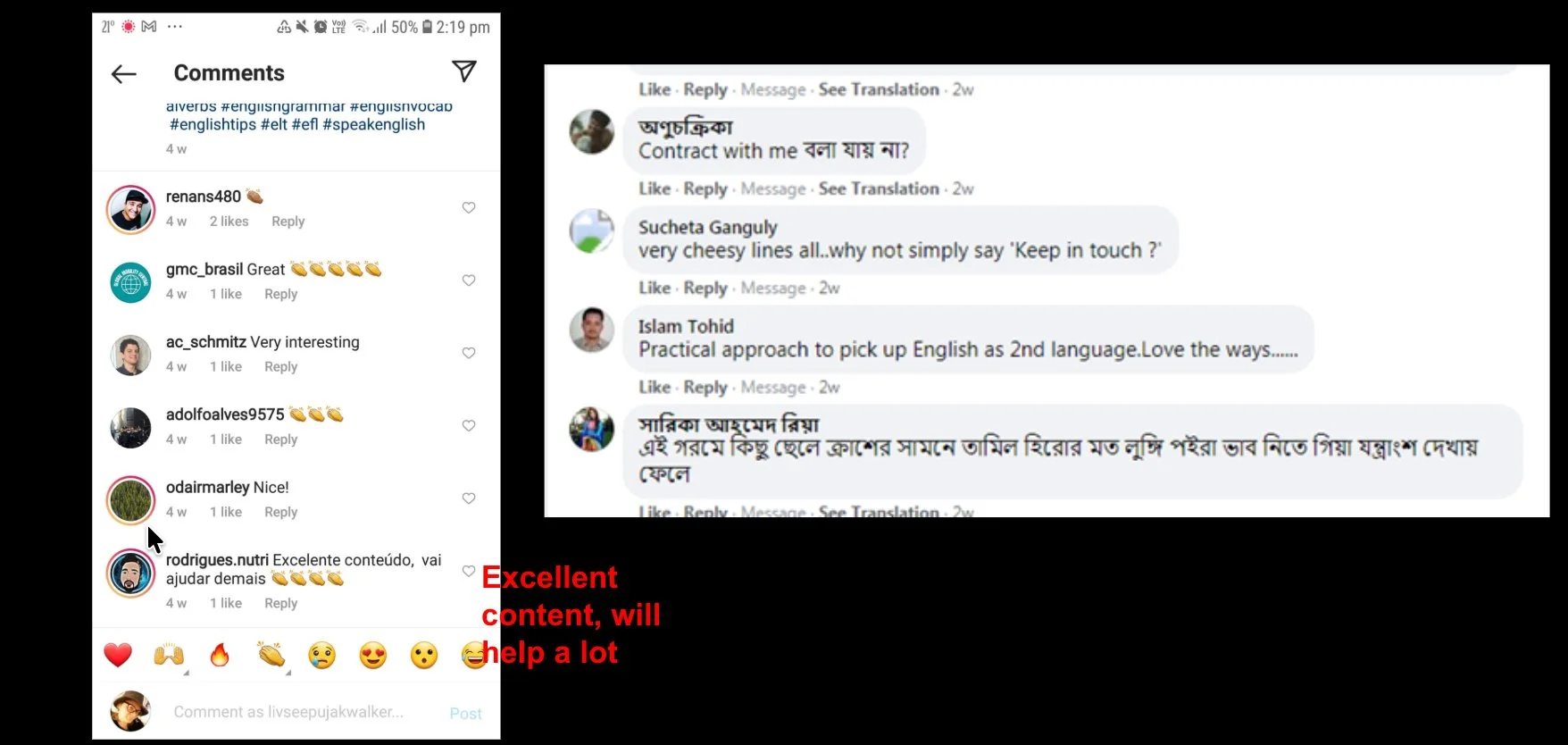
Engagement with Learning content was high - quizzes got hundreds of responses. Also many positive comments.
Less obvious metrics also performed well eg bookmarks. Also a very high percentage of accounts reached not following you - 47% in one market for one bit of high-performing content. Definitely improving reach.
I was able to demonstrate that the best Learning English content performed as well as average news content - impressive considering that it went against audience expectations.
The worst-performing Learning English content performed better than the worst-performing news content, but also cost nothing to produce. I was offering high-quality video to feed the algorithm, without costing them any money.
All four services continued the initiative after the trial.
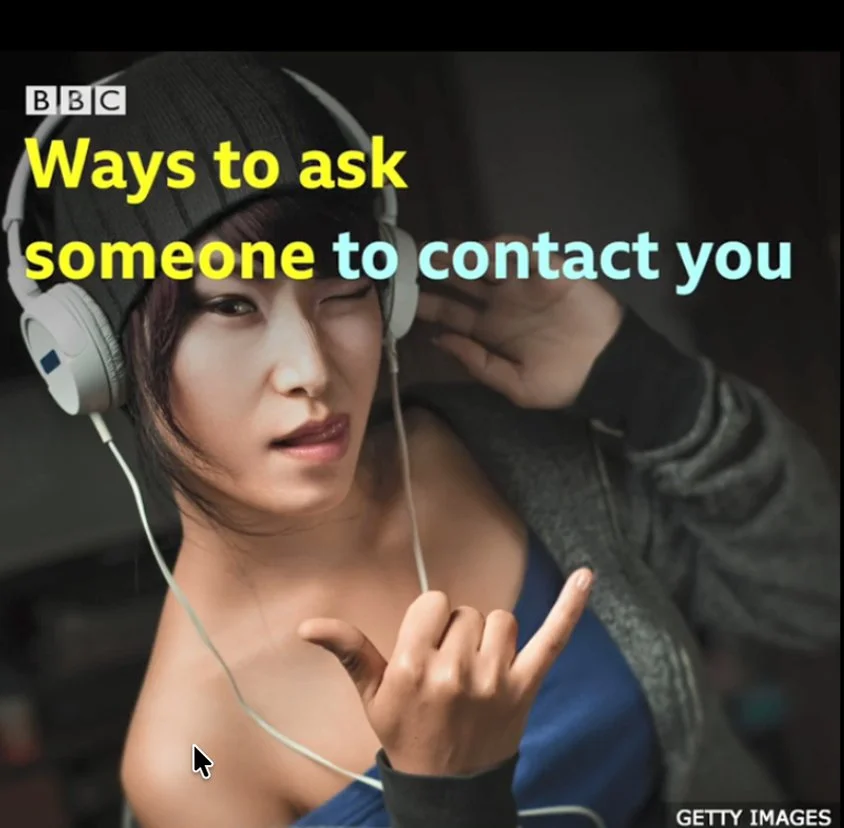
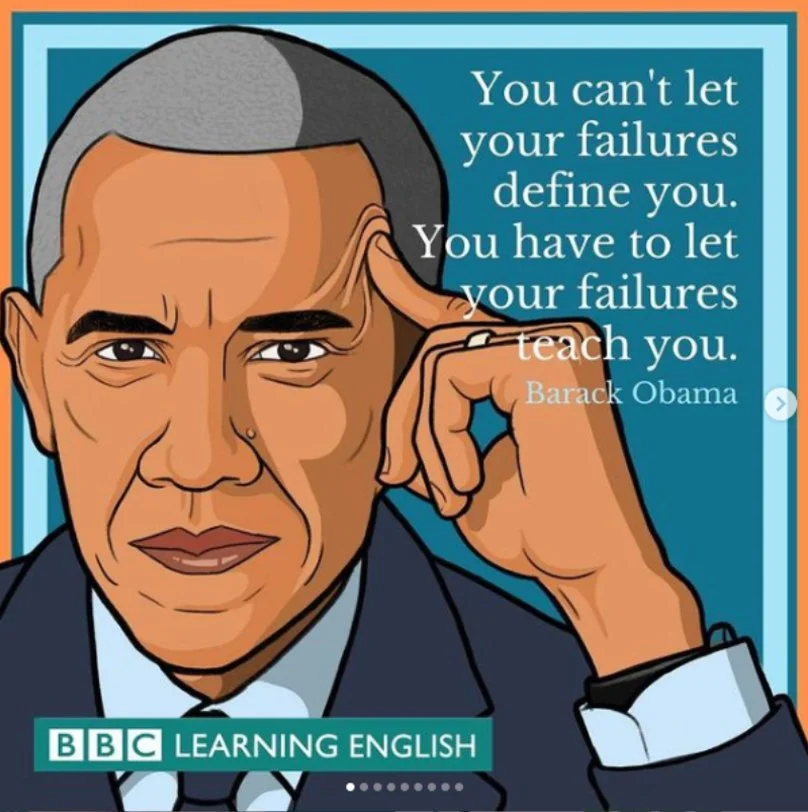
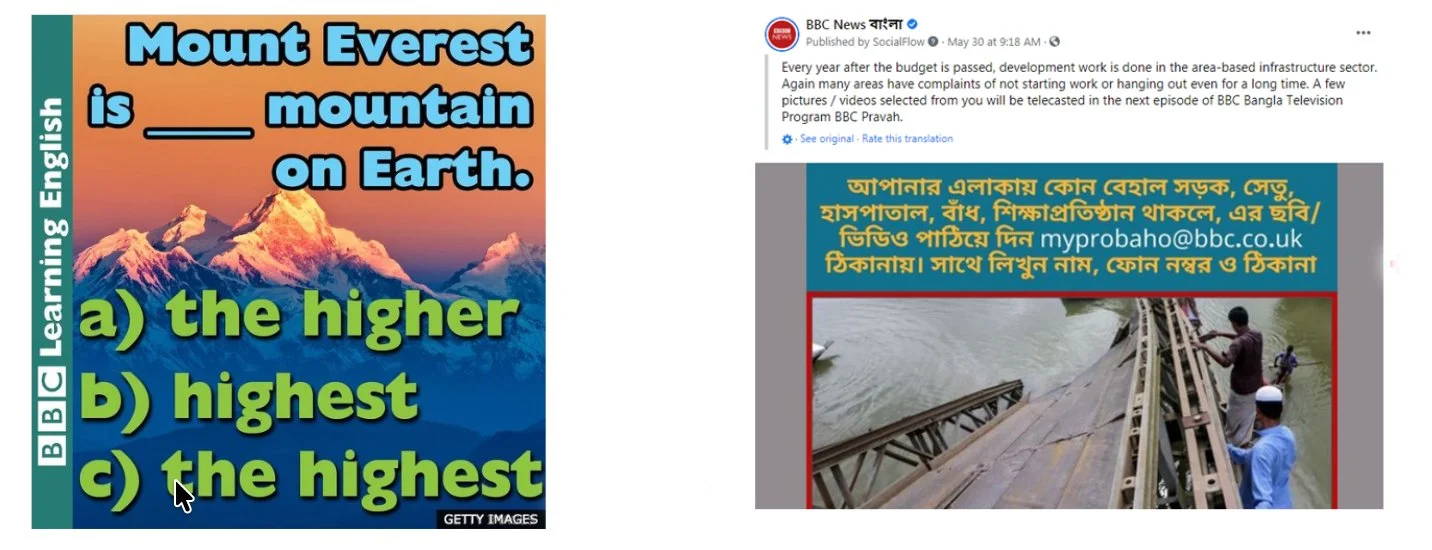
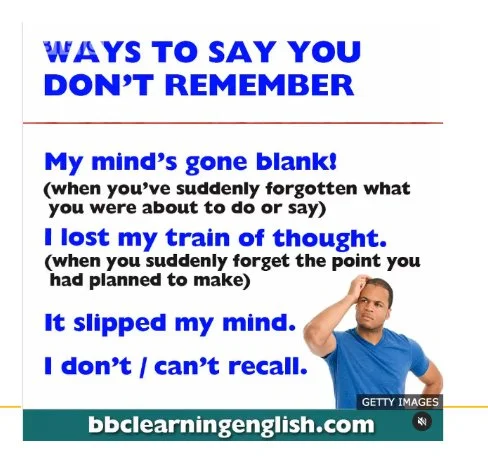
These two pieces of content had similar engagement rates. The news item cost the hosting service money to produce. The Learning item boosted engagement for free.